






Sustainable practices and the role of mild steel
Contents |
[edit] Sustainable Practices and the Role of Mild Steel in Construction
In the construction industry, the shift towards sustainability is becoming increasingly significant. This drive towards eco-friendliness not only addresses the environmental impact but also enhances the economic and social aspects of building. One of the core materials that exemplifies sustainability in construction is mild steel, known for its recyclability and versatility. However, a comprehensive sustainable construction strategy includes a variety of materials and innovative practices that aim to reduce the industry’s carbon footprint and promote environmental stewardship.
Mild steel, characterised by its low carbon content, is one of the most widely used materials in the construction industry due to its versatility, durability, and cost-effectiveness. A critical aspect of its environmental profile is its recyclability. Steel is one of the most recycled materials in the world, and mild steel is no exception. It can be recycled repeatedly without degradation of its properties, and the infrastructure for recycling steel is well-established globally. In the UK, steel recycling rates are exceptionally high, making mild steel an environmentally sound choice for building projects.
The construction industry utilises recycled mild steel for various applications, including structural frames, reinforcements, and cladding. The recycling process itself is energy-efficient, typically using significantly less energy than producing new steel from iron ore. Moreover, the recycling of steel emits less carbon and reduces the demand for raw, finite resources, thus minimising the industry's environmental footprint.
[edit] Industry Practices for Reusing Mild Steel
The industry has developed several practices to optimise the use of mild steel in construction to minimise environmental impacts. These include modular construction techniques, where steel components are prefabricated off-site and then assembled on-site, reducing waste and improving efficiency. Additionally, deconstruction and reuse practices are becoming more common, where mild steel elements from demolished structures are repurposed rather than discarded.
[edit] Other Eco-Friendly Materials in Construction
While mild steel sheets are popular, sustainable construction can also utilise other eco-friendly materials to minimise environmental impact. These include:
- Timber: Sourced from sustainably managed forests, timber is renewable and stores carbon, thus reducing the overall carbon footprint of a construction project. Modern engineered timber products offer strength and durability comparable to traditional construction materials.
- Bamboo: Known for its rapid growth and high yield, bamboo is extremely popular as a sustainable alternative due to its strength, lightweight, and renewability.
- Recycled Plastics and Composites: Used in applications ranging from panels to floor tiles, recycled plastics help divert waste from landfills and reduce the reliance on virgin plastic production.
- Natural Stone and Recycled Glass: Both materials offer longevity and aesthetic value, and their use can help reduce environmental impact when sourced or recycled responsibly.
Other building materials are always being explored and developed. Take, for example, Hempcrete, which is a composite insulation material made of natural hemp fibres mixed with lime. This material is gaining popularity for its thermal qualities and its negative carbon footprint.
[edit] Implementing Green Practices in Construction Projects
For construction companies looking to implement green practices, the approach must be holistic, encompassing material choice, construction processes, and end-of-life considerations. Key strategies include:
- Sustainable Sourcing: Opting for materials that are locally sourced to reduce transportation emissions, as well as choosing suppliers who are committed to sustainable practices.
- Energy Efficiency: Incorporating energy-efficient designs and technologies in construction projects, such as passive solar design, high-efficiency HVAC systems, and LED lighting.
- Water Management: Implementing systems for water conservation and reuse, including rainwater harvesting and grey water recycling systems in building designs.
- Waste Reduction Plans: Developing and implementing waste management strategies during construction to minimise landfill waste, including the recycling of construction and demolition debris.
[edit] Challenges and Opportunities
Adopting sustainable practices in building and construction is not without challenges. Initial costs can be higher, and finding suppliers committed to sustainability might limit material choices. However, the long-term benefits, reduced operational costs, increased building efficiency, and enhanced corporate reputation, far outweigh these challenges.
There are also other potential advantages to integrating sustainable practices in projects, such as enhanced brand reputation, compliance with increasingly stringent regulations, and potential cost savings from efficient resource use and waste reduction.
Plus, the growing demand for green buildings creates new market opportunities for firms that demonstrate leadership in sustainable construction practices.
[edit] Conclusion
The future of construction lies in the balance of innovation and sustainability. The industry’s ability to innovate in the use of eco-friendly materials and green technologies will significantly dictate its sustainability trajectory.
As the sector continues to evolve, the focus will undoubtedly remain on integrating more renewable resources and sustainable practices, setting a standard for industries worldwide.
By embracing these eco-friendly alternatives, construction companies not only contribute to environmental conservation but also align with global sustainability goals, paving the way for a greener, more sustainable future for the industry and the planet.
[edit] Related articles on Designing Buildings
- Alloy.
- Cast iron.
- Compound steel sections
- Concrete vs. steel.
- Concrete-steel composite structures
- Ferrous.
- Galvanised steel.
- Installing fire protection to structural steelwork (GG 85).
- Iron.
- Metal.
- Metal fabrication.
- Passive and reactive fire protection to structural steel (IP 6 12).
- Procuring steel in major projects
- Rust.
- Scottish building standards sustainability labelling.
- Specifying steel lintels.
- Stainless steel.
- Steel.
- Steel and Concrete – Frank Lloyd Wright and 3 of his Iconic Buildings.
- Steel Architecture: the designed landscape of modernity.
- Steel construction floor vibration.
- Steel Council.
- Steel frame.
- Steel framed rooflights.
- Steel reinforcement.
- Steel-concrete composite structures.
- Structural steel.
- Sustainability in building design and construction.
- The use of stainless steel in civil engineering.
- Types of metal.
- Types of steel.
- Water efficiency – The next big sustainability issue?.
- Weathering steel.
- What is causing the rise in steel prices?
Featured articles
Check out some of the best features and news from Designing Buildings as well as key stories from around the web.
Connecting knowledge, technology and conservation
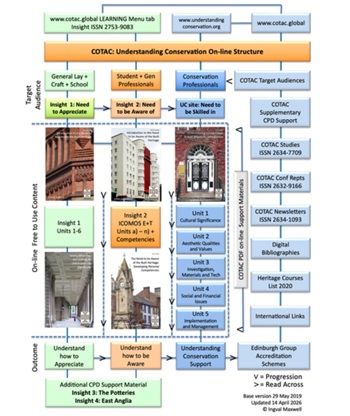
Building competence for the future of built heritage.
Building Regulations and Building Safety Act
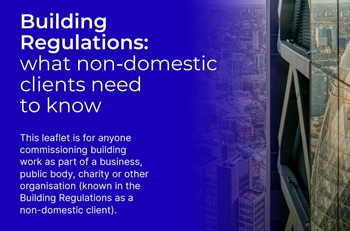
CIOB publishes free advice for non-domestic clients.

Building Safety Newsletter from MHCLG.
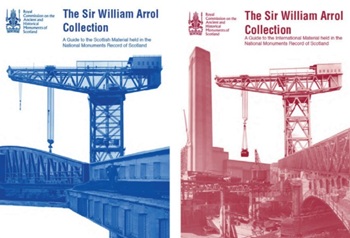
An extraordinary record of steel engineering worldwide.
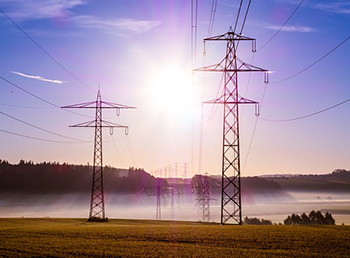
Households living near new pylons to save on bills.

ECA warns growth must not outpace grid capacity or skills.
The role of the client and decision making

CIOB response to built environment professions call for evidence.
Construction's sustainability reporting revolution
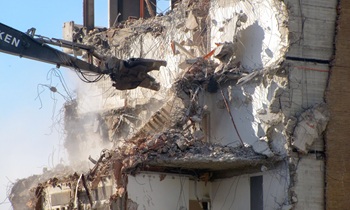
Tracking upfront embodied carbon with digital tools.
ECA welcomes procurement reforms
Public spending must back British jobs and skills.
Campaigning for Edinburgh: the Cockburn Association 1875-2049

The role of the civic voice in protecting character. Book review.

CIOB photography competition is open for entries.
ECA Edmundson apprentice of the year award
Finalists announced.